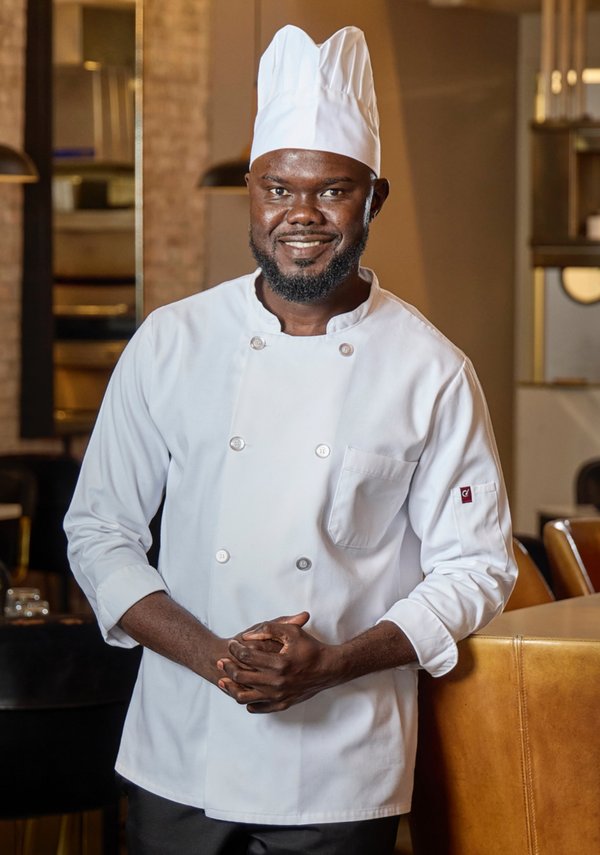
Cooking with his mother
Oumar grew up in Meckhe, Senegal. When his father passed away, his mother was left to raise the family on her own, working long days and coming home late to cook. Oumar stepped in to help, even though cooking wasn't seen as a job for boys. She told him the knowledge would serve him one day.
Empanadas, and a first restaurant
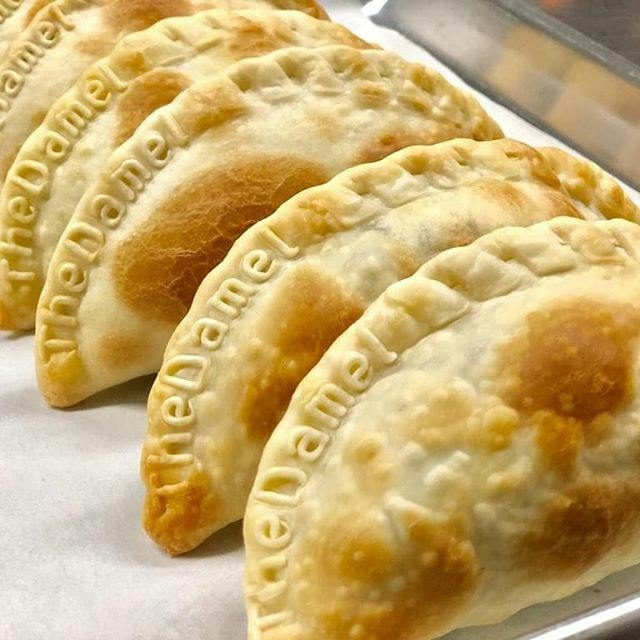
He went to Argentina in his early twenties to play professional soccer. When an injury ended that path, he went to culinary school instead, and in 2008 opened his own restaurant in Necochea, on the coast of Buenos Aires province. That's where he learned to make empanadas, and they're still on almost every Damel menu.
Acarajé and akara
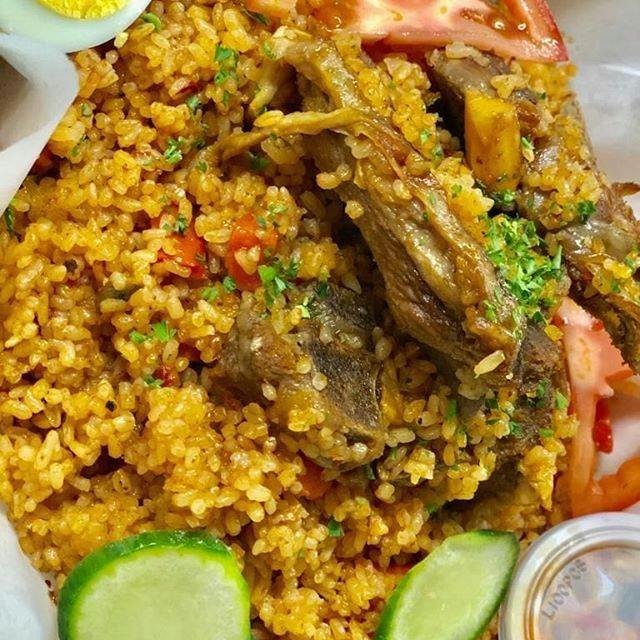
In Brazil, Oumar tasted acarajé, the black-eyed pea fritter sold on the streets of Bahia, and recognized akara, the fritter he bought as a boy in Senegal. The name, the ingredients and the technique were nearly the same. He started asking why, and the answer was history: much of Bahian food arrived from West Africa with enslaved people.
He spent the next years cooking in Brazilian hotels and catering kitchens, including leading a kitchen team that fed thousands of guests a day during the 2016 Olympic Games in Rio.
The Damel in Oakland
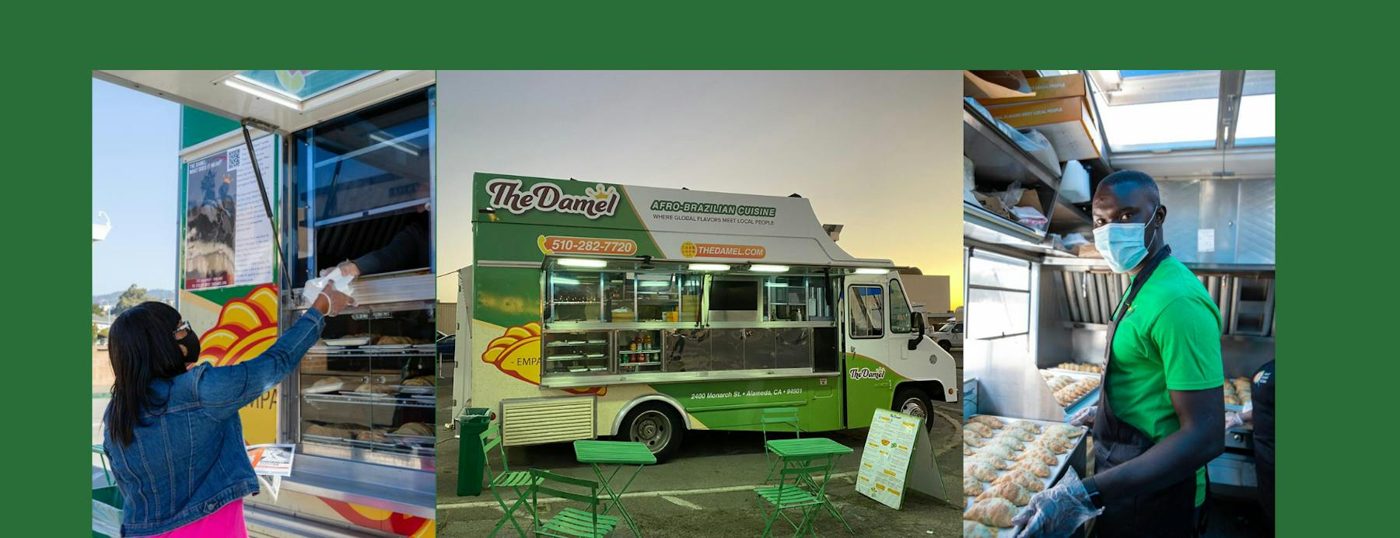
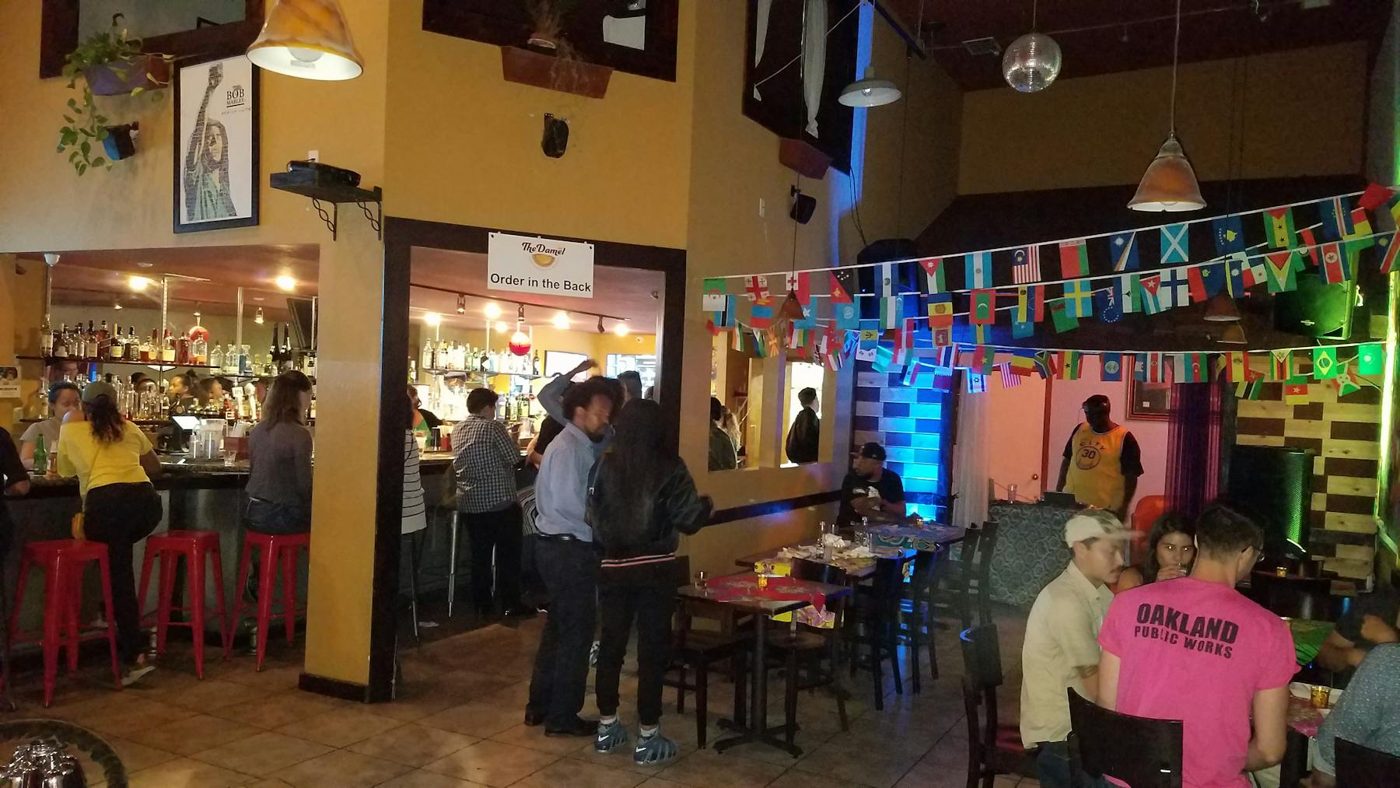
In the Bay Area, Oumar started an Afro-Brazilian catering company, took The Damel on the road with a food truck, and in 2019 opened a restaurant in Uptown Oakland. The empanadas were the best sellers. In 2020, The Damel cooked hundreds of meals a day for Oakland residents in need, working with World Central Kitchen.
Oakland is where The Damel started. Oumar now lives in Miami, where he cooks private dinners, caters events and teaches classes, and he travels for events elsewhere too.
Why "The Damel"
Damel was the title of the king of Cayor, a Wolof kingdom in what is now Senegal. It's also why there's a crown in the logo.